
For someone whose travelling has mostly happened behind a wheel, the first long-haul flight looms large: twelve hours sealed in a metal tube, time zones scrambling, a whole day handed over to an airline. In practice it is far more boring than frightening, and treating it as a long dull room to be managed rather than an ordeal to be survived is most of the battle.
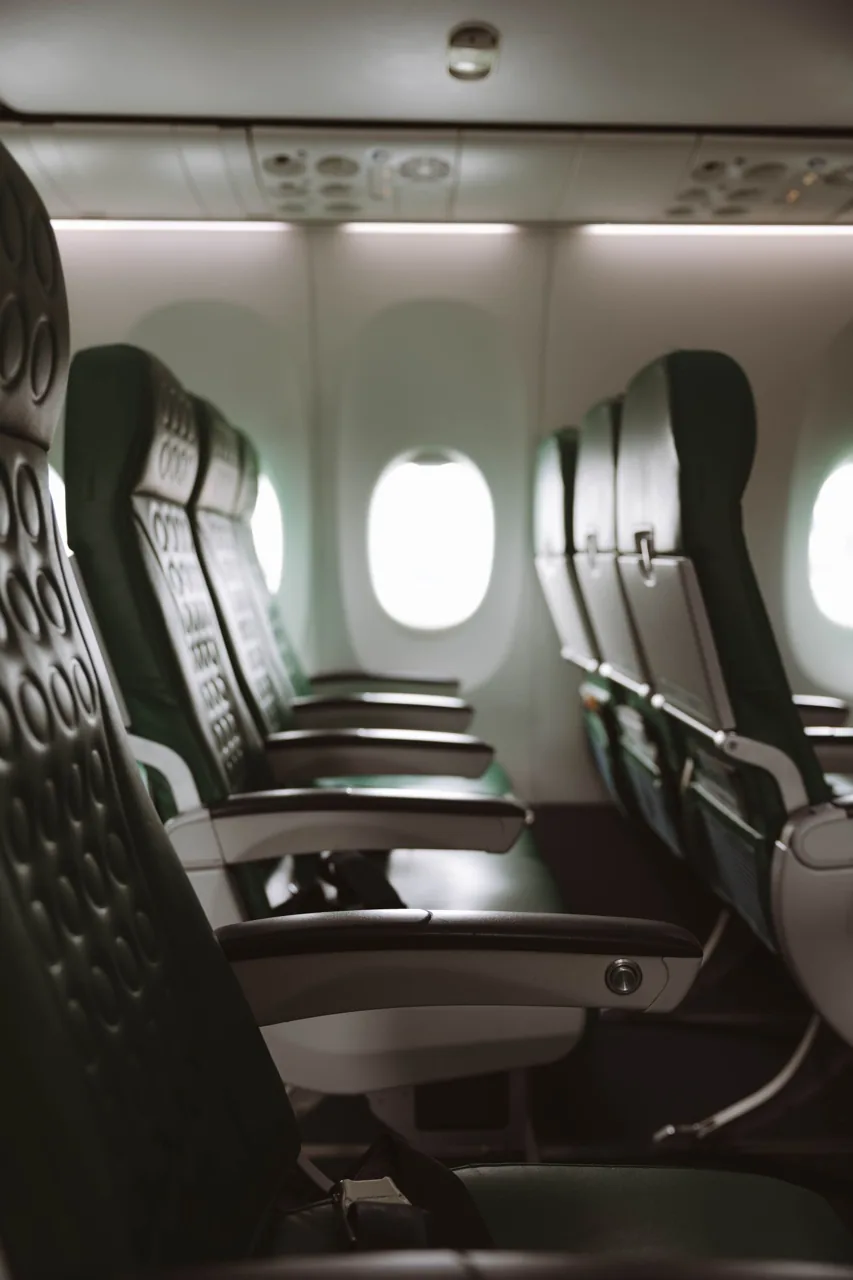
Choose the seat that matches how you cope. If you will want to sleep, a window gives you something to lean on and nobody climbing over you; if you know you will be restless, an aisle lets you walk without waking a stranger. Getting this one decision right shapes the entire flight, so it is worth a little effort at booking.
Manage your own comfort rather than relying on the cabin. Layers for the unpredictable temperature, a refillable bottle filled after security, your own snacks for when the trolley timing does not suit you, and something to properly block light and sound, turn a passive endurance test into something you have a measure of control over.
Move and drink water more than feels necessary. The dry air and long stillness are what leave people wrecked on arrival, so a short walk every couple of hours and steady water do more for how you feel at the other end than any amount of trying to sleep through it.
Then go easy on the first day. The temptation to power through and beat jet lag usually backfires; a gentle arrival day, some daylight, an early night, and letting your body find the new clock at its own pace starts the trip calm instead of frazzled. The flight is just the toll. Pay it comfortably and forget it.