
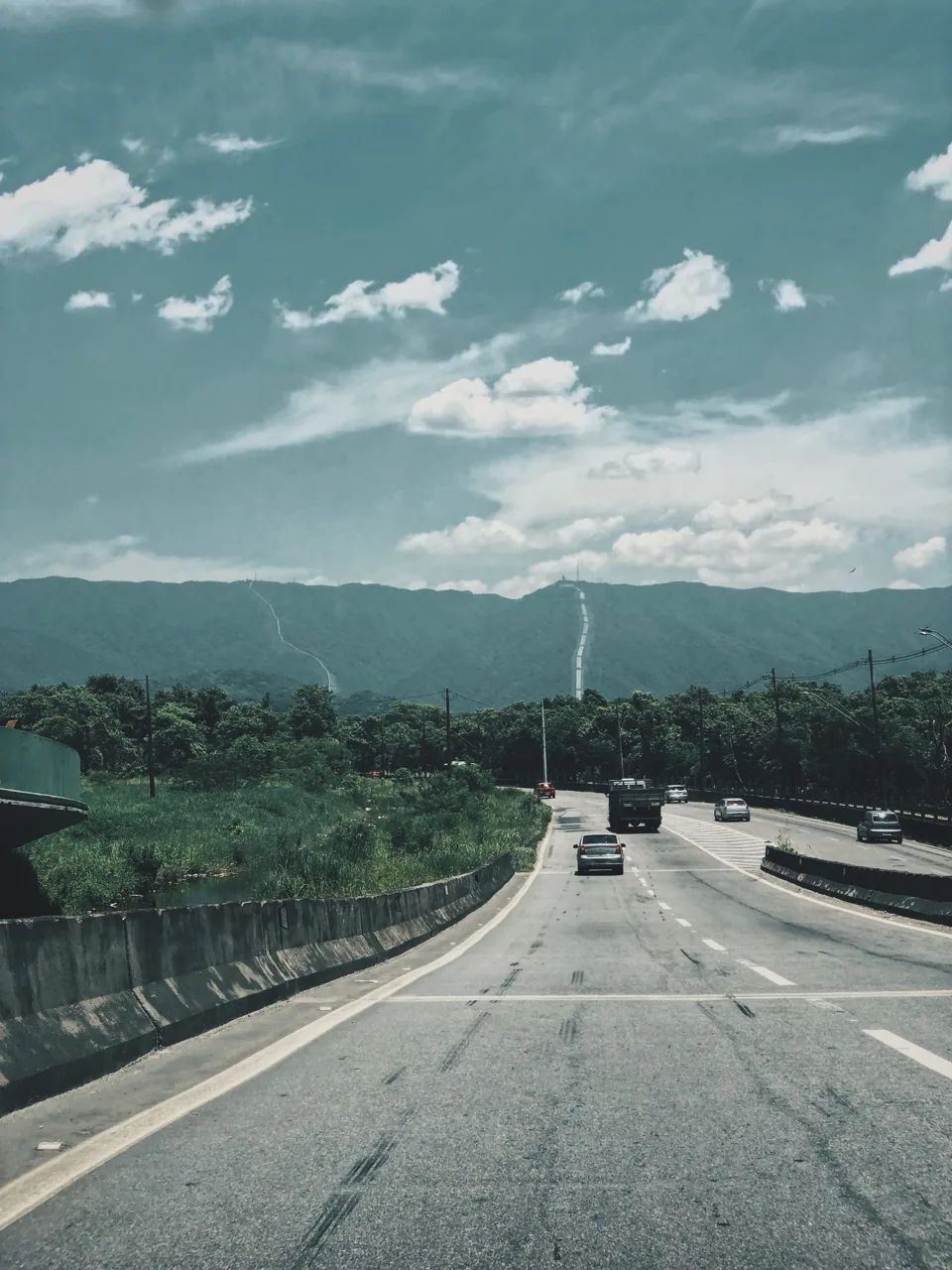
The best road trips share a strange contradiction: they feel spontaneous but they are quietly well planned. The people who seem to just throw a bag in the car and go have usually got three things sorted before they turn the key, and everything relaxed about the trip flows from that groundwork.
The first is a realistic daily distance. The classic mistake is plotting eight hours of driving a day because the map says it is possible. Four to five hours of actual wheel time leaves room for the diner you did not know about, the viewpoint you had to stop at, and arriving somewhere before dark with the energy to enjoy it. Distance is the thing people always overestimate.
The second is a booked bed for the first night and the last, and flexibility in between. Knowing where you sleep on night one takes the pressure off the drive, and a booked last night means you are not scrambling near home when you are tired. The middle can stay loose, which is where the adventure lives.
The third is a small kit that lives in the car: water, snacks that survive heat, a paper map as backup, phone chargers, and a rubbish bag. None of it is exciting and all of it saves a bad hour. A road trip rarely goes wrong in a big dramatic way; it goes wrong in small, avoidable ways that compound.
Everything else is negotiable. Leave gaps in the itinerary on purpose, because the stops you did not plan are almost always the ones you remember. Plan the frame, then let the picture fill itself in.